5 Indie Filmmaking Hacks Every Director Needs
Dec 05, 2025
If you’ve been waiting to buy the perfect camera, the perfect light, or the perfect piece of gear before you start your film — this is your wake-up call.
Filmmaking didn’t start with $4,000 mirrorless cameras or trucks full of HMIs.
It started with artists making things happen with whatever they had.
These are the 5 Indie Film Hacks you can use right now to shoot your film — whether you’re making a short, a feature, or a vertical drama.
Save this blog.
Come back to it whenever you get stuck.
Let’s dive in.
Hack #1: Stop Obsessing Over Your Camera
In the spirit of Black Friday and Cyber Monday, I wanted to talk to you guys about any gear you might be thinking of buying to make your projects. I want to help save your bank account, so here’s the 5 pieces of equipment you need to make your indie films, shorts or vertical dramas.
Let’s start with the one everybody trips out about…
Cameras.
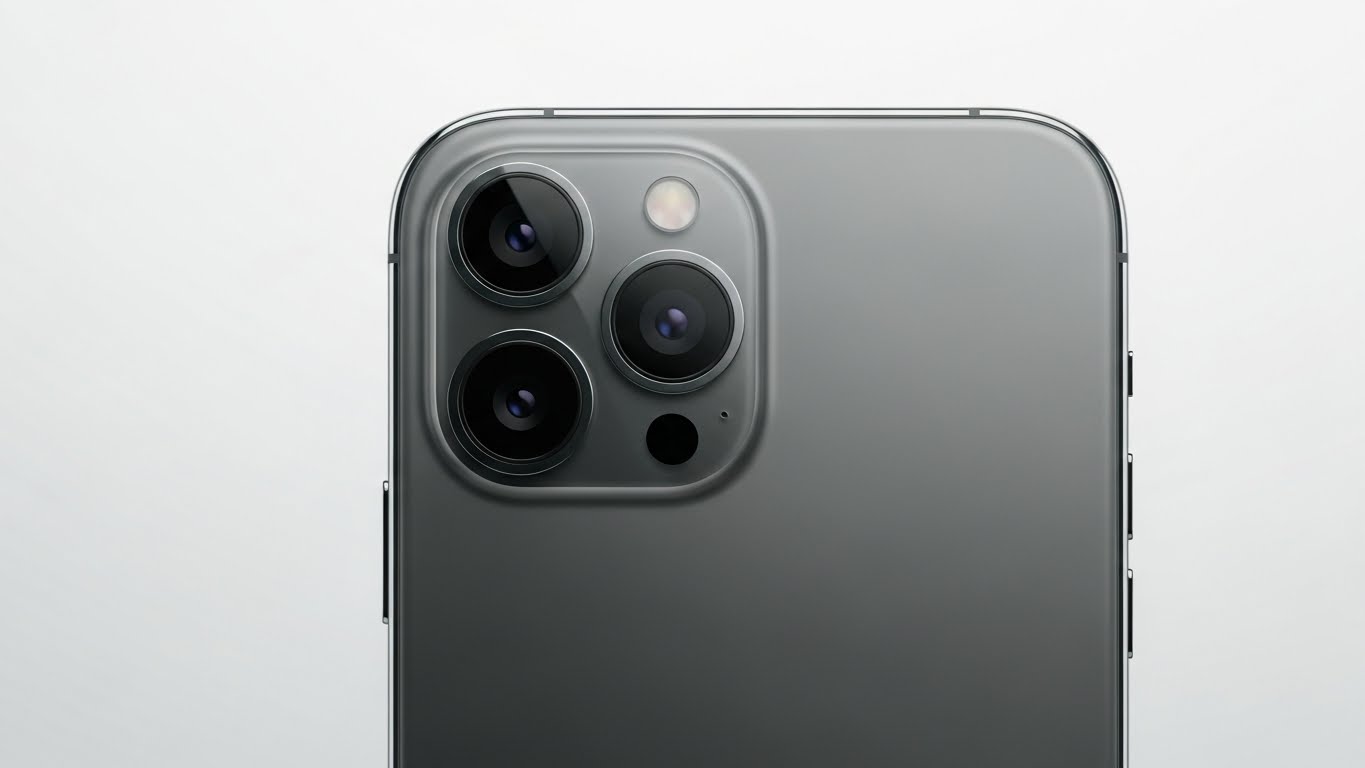
This is the stuff that they try to make you feel so bad about. Any director who has not come from a cinematography background, you always feel you’re at a disadvantage on camera because of the technical. The lenses. The type of camera or the body, all the things that you don’t understand.
And maybe it’s been stopping some of you guys from making the film you wanna make — whether it’s a vertical drama or a short film or even a feature. You get in there and you feel like you don’t know enough about the camera.
Well, I’m just gonna tell you right now: stop it.
It ain’t about the camera. It’s about what you see through the camera. And you can do that with your phone. Period. Full stop.
Don’t walk into these camera stores and let them sell you on this frame or that and “this has this focal length” and all that other stuff that’s really cool and great — but the fact is, more than anything, you need to be making films.
As you make films and work with cameras and camera operators, you’re gonna learn what you like and what you don’t like. So the first obstacle is not the camera. The first obstacle is just getting started with whatever you have.
I did my first short with a DSLR that was like ancient. I found the battery for it somewhere in my closet and just got going. And I was working with a DP who had her own camera. My friend had a RED and we were working with the RED on some of the stuff and that was totally cool. I didn’t know anything about the RED and still don’t.
But then I wanted a really cool shot — my jib I had bought from Amazon. And what worked on it was only my DSLR. The coolest shot of the movie came from my DSLR because it was the most nimble camera that could go. It was the one I knew the best. And it was the one that didn’t need insurance.
I could put it in a Ziploc bag and put it under the water and get the shots I wanted for the budget that I had. So I’m giving you permission to use whatever camera you have that will get the job done the fastest and not stress out your bank account.
That short film — that was the thing I did before I got Summer of Violence, my first feature. So all I’m trying to say, guys, is let’s not put the cart before the horse or the camera before the director — because it doesn’t come before the director.
Director first. Story first. Then camera.
You want to be able to learn and grow with every project — so pick the camera that you’re ready to run with.
Hack #2: Audio is More Important Than Video
Hack #2 of this week’s 5 Indie Film Hacks might surprise you, because it has nothing to do with your camera.
I say this all the time and people still don’t believe me: audio is more important than video.
If your picture is soft, people will forgive you.
If your sound is trash? They’re gone.
You’re in a theater and you’re watching a short film festival. Without fail, the ones that look funny or feel “just off” have an audio problem.
The audience thinks it’s lighting or camera — but it’s always sound.
We often push back when the sound guy wants a rate plus a fee for his gear — but that’s standard. No matter how low the budget, I always, ALWAYS, get a good sound mixer with their own equipment.
You can usually find someone on sites like Staff Me Up.
The key to this business is people. Once you work with people, you get to know them and now you have more folks you can call to work on your own projects.
Ideally, you’re helping others out on their projects, and by default you are building a network of people you can build with.
Clean audio = instant professionalism. Bad audio = “student film” real quick.
Dial in your sound early. It’s the foundation of your film.
Hack #3: Lighting is Your Cheat Code
Are you still stuck trying to light your project? Or worse — you’re trying so hard to get that 3-point lighting down and you still have crazy shadows.
Here are a few simple lighting tricks I’ve used when there was no money for a gaffer or to rent a truckload of HMIs.
You can get a lot of low-cost options. Just make sure the light has a dimmer and a temperature dial. Soft lighting is so key (get the joke here?) for your actors. Use paper lanterns or scarves to soften any lamps you might want to use.
But when it comes to night scenes — let me give you the best hack I’ve ever used.
Lighting is where most indie filmmakers panic. They hear “night exterior,” and suddenly they think they need an entire lighting package and a full crew just to make the shot look decent.
Not true.
And this hack comes straight out of James Cameron’s playbook.
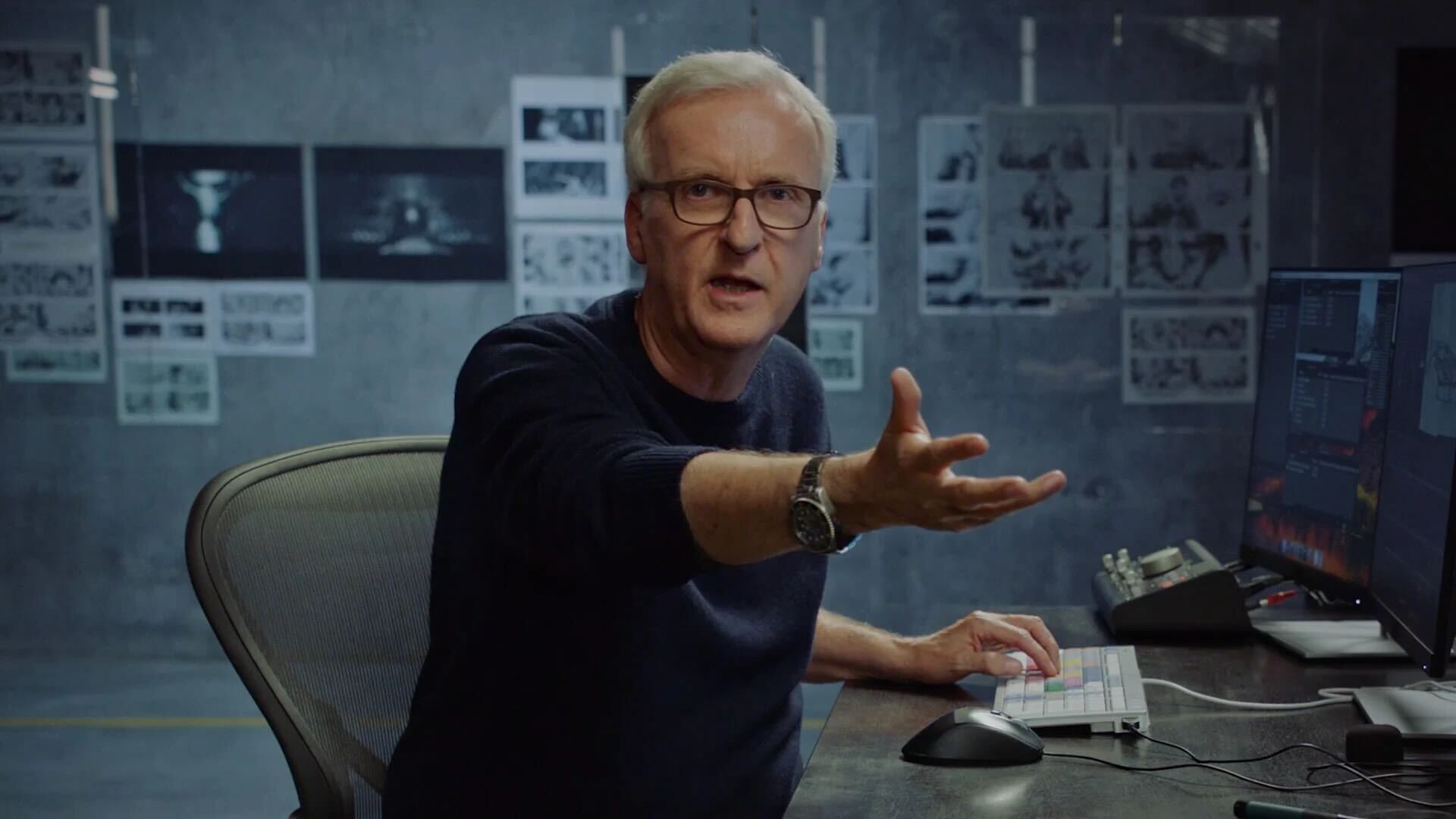
Find a street with car dealerships.
Those lights stay on all night.
Car lots.
Gas stations.
Commercial strips with big overhead fixtures.
All of them have already paid for massive, beautiful lighting — and they leave it on for free.
So you can take your actor, your camera, your clean audio, and shoot a night scene that looks like you had a real budget.
Your highlights will pop.
Your shadows will look intentional.
Your scene will feel cinematic.
And all you did was use the world as your grip truck.
Before you rent anything, scout locations. Sometimes the perfect lighting setup is already waiting for you
Hack #4: Your Taste Is Your Real Equipment
Here’s the equipment no camera store can sell you:
Your taste.
Your eye.
Your instincts.
Your voice.
A director with taste can make a beautiful scene with:
- one lamp
- a window
- a lav
- a textured wall
Because here’s the truth: your brain is the most important “piece of equipment” you have.
A director who knows what they’re doing can shoot a gorgeous scene with whatever’s in the room.
A director who doesn’t can have a Netflix-level camera package and still walk away with something that looks like a rushed student film.
And here’s how I know:
There was a moment on Summer of Violence when we had already shot the scene and needed to move on because the schedule was tight. We only had the room for one more day. But I knew I didn’t get what I needed. We were so focused on getting the shots the DP wanted, but I wanted something more magical.
We had built this entire room from scratch — it didn’t exist before. It was only in my head. And once I saw it finished, I realized the space itself was telling a story the camera hadn’t captured yet.
So I went back in and directed exactly what I needed: simple, atmospheric visuals that revealed the character’s inner world.
It became one of the most beautiful, quiet moments in the film.
If I had stayed locked into the shot list instead of trusting my instincts, we would’ve missed the emotional core of that scene.
Locations can hold story that isn’t on the page.
But only if you see it.
That’s taste.
That’s voice.
That’s direction
Hack #5: Pick Up a Camera. Shoot Something
This final hack might be the most important:
You already have enough to start.
These five hacks are everything you need to shoot your indie film right now. Whether you’re making a short film, a full feature, or a vertical drama, the fundamentals do not change.
Use the gear you have.
Rely on your taste.
Find locations that tell story.
Light smart.
Get clean audio.
Save this guide and refer back to it whenever you get stuck.
If you want support, structure, and real guidance on getting your project made — join my free web class. I’ll walk you through the exact steps to bring your film to life.
Summary:
5 Indie Filmmaking Hacks Every Creator Needs to Know(That Won't Break the Bank)
Essential tools, techniques, and mindset shifts for the modern indie filmmaker 5
If you’re an indie filmmaker, a vertical drama creator, or a storyteller building your own Hollywood from scratch, there’s one thing you’ve probably felt:
The industry keeps changing—but the fundamentals of great filmmaking haven’t.
This guide walks you through five of the simplest, most effective filmmaking hacks you can use right now—whether you're shooting a short film, a feature, or a vertical series. No studio budgets. No gatekeepers. No permission needed.
These hacks come straight from working on my own projects, including Summer of Violence, and from helping thousands of filmmakers develop their projects, pitch decks, and creative careers.
If you’ve been wanting:
- A way to make your projects look and feel professional
- A way to start shooting now, not “someday”
- A way to make progress without spending thousands on gear
You’re in the right place.
Let’s get into the five hacks every filmmaker needs today.