The Complete Film Festival Strategy Guide for 2026: Stop Wasting Years and Money
Dec 29, 2025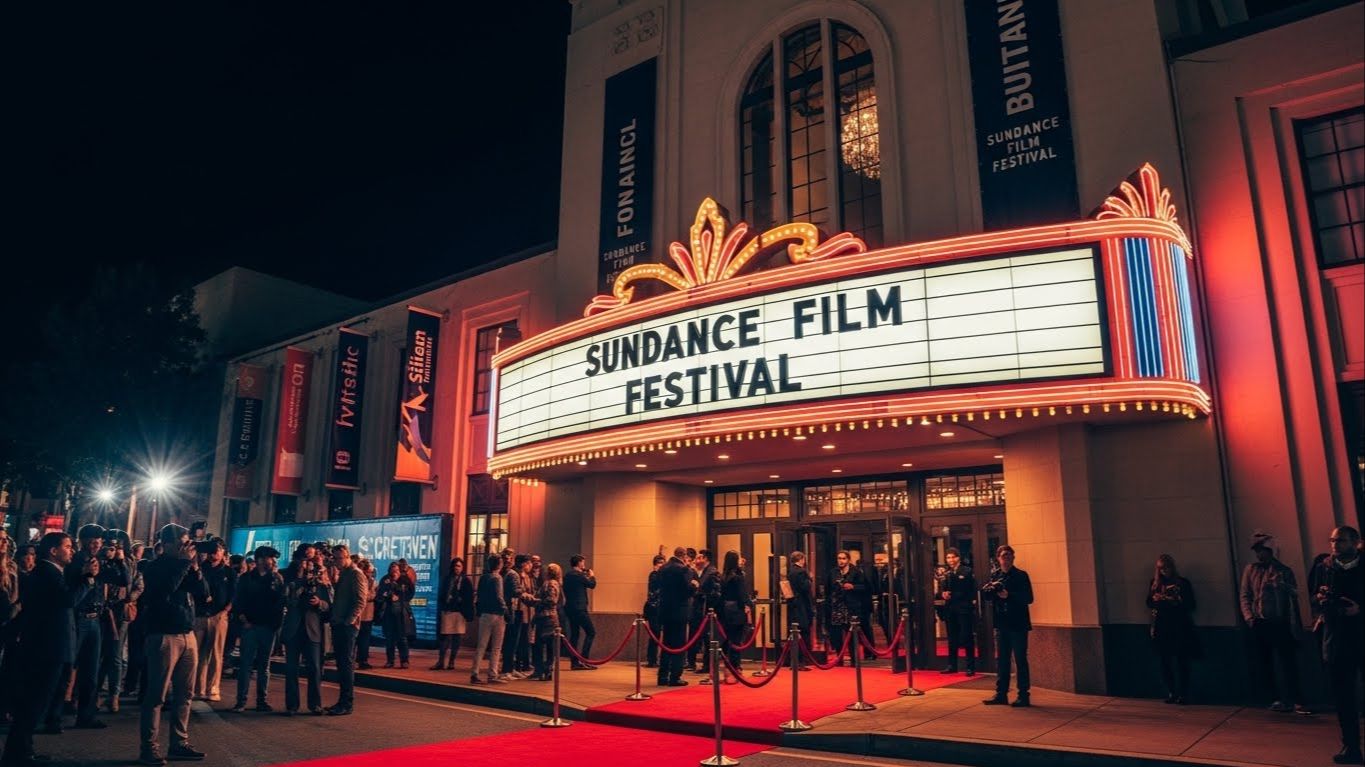
Let me be honest with you.
Most filmmakers are submitting to festivals emotionally, not strategically.
You finish your film, you're excited, and you just start hitting submit on FilmFreeway. Sundance. TIFF. Every big name you've ever heard of. You're chasing prestige or following trends instead of looking for alignment.
And then? You wait. And wait. Rejections roll in. Maybe you get into a few smaller festivals, but you're not sure if they're helping your career or your film.
Here's the truth: The festival world has shifted dramatically, and most creatives haven't adjusted.
We only hear about the top 10 festivals. So we shoot our shot at Sundance, wait all year to submit, only to discover we didn't get in—and we've missed a whole year of opportunities where our film could have been out there building momentum.
The myth: If you don't get into the big festivals, it's over.
The reality: That's not even close to true.
2026 is your reset button.
What's Changing in the Festival Landscape in 2026
So what's actually happening in the festival world right now?
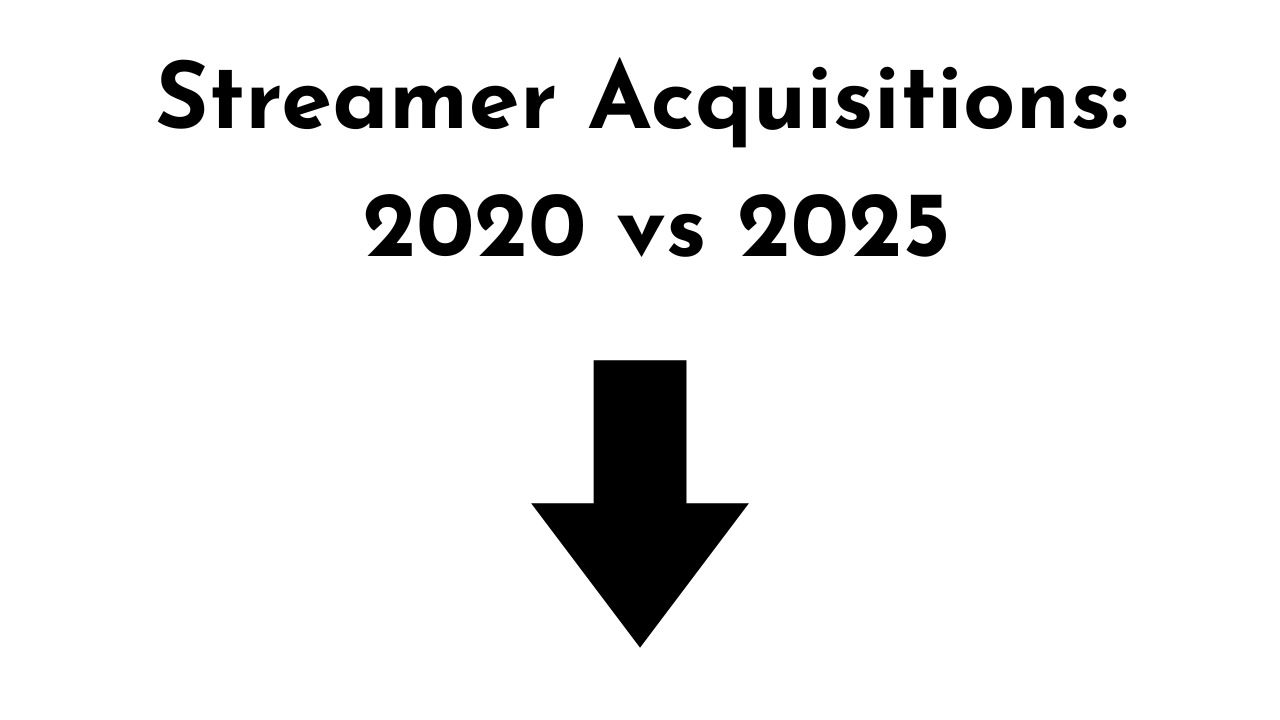
Here's the shift: Streamer acquisitions have slowed down.
Less buying at Sundance. Less buying at TIFF. Less buying at Cannes. It's just less.
So if you were banking on premiering at a big festival and getting scooped up by Netflix or A24? You need a new plan.
Here's How to Think About Festivals in 2026
Don't think of festivals as a place to sell your film. Think of them as:
-
A career pipeline
-
A marketing machine
-
A buzz builder
-
A networking opportunity
Yes, you can still find buyers. But buyers are only at certain festivals, and you need to know which ones.
Also, understand this: The competition is fierce.
Famous actors are directing. International voices are flooding the market. Micro-budget films are everywhere. Everything is happening all at once.
That's why you can't afford to just spray and pray with your festival submissions. You'll go broke.
You need to understand the landscape. You need to know which festivals actually matter for YOUR film.
The 3 Tiers of Film Festivals (And Where Your Film Fits)
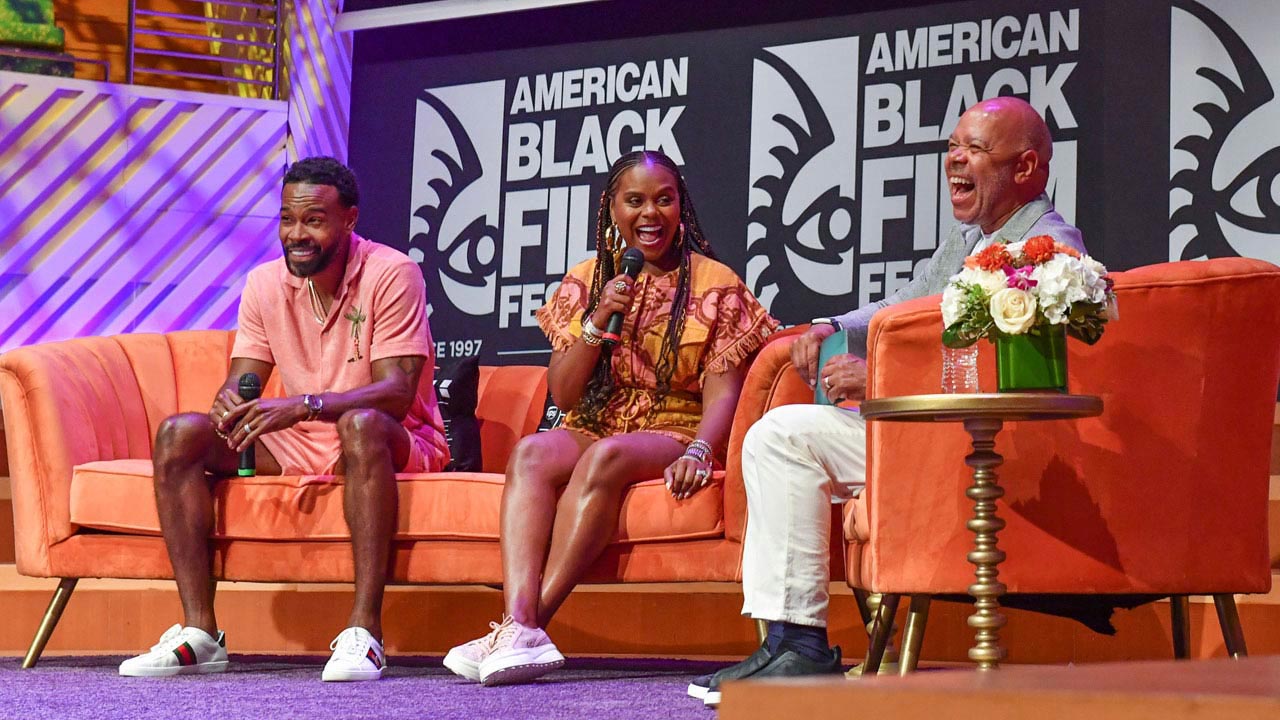
Source: American Black Film Festival (ABFF), 2023
Not all festivals are created equal.
And the sooner you understand which tier your film belongs in, the faster you'll stop burning money on submissions that were never going to pan out.
Here's how I think about it:
Tier 1: The Career Changers
These are the big dogs: Sundance, SXSW, Tribeca, TIFF, Cannes, Venice.
If your film lands here, it can change your career because of the buzz, the press, the industry attention.
How do you get in?
- You're a festival alumni (you've been through their labs or programs)
- You have recognizable talent attached
- You have a world premiere to offer (these festivals want to be first)
Once you premiere at Sundance, you're probably not getting into TIFF unless you win Sundance. Understand the value of premiere status.
Tier 2: The Industry Launchpads
Think: Austin Film Festival, Telluride, Palm Springs, Slamdance, Bentonville, Tallgrass.
These are well-respected, smaller festivals where you can meet industry people, buyers, reps, producers. They're not as flashy, but they still build buzz and credibility.
Great for networking. Great for establishing yourself as a filmmaker of note.
Tier 3: The Voice Definers
Genre festivals. Identity-focused festivals.
Examples:
- Fantasia (genre),
- American Black Film Festival (identity)
- Outfest (LGBTQ).
These festivals connect you directly with your audience.
And here's the thing: Getting your audience can lead to a buyer. That's what happened with Lowlife—they premiered at Fantasia, the buzz was insane, and they found a buyer.
Don't sleep on these festivals. They matter just as much as the big names.
Why Identity-Focused Festivals Matter More Than Ever
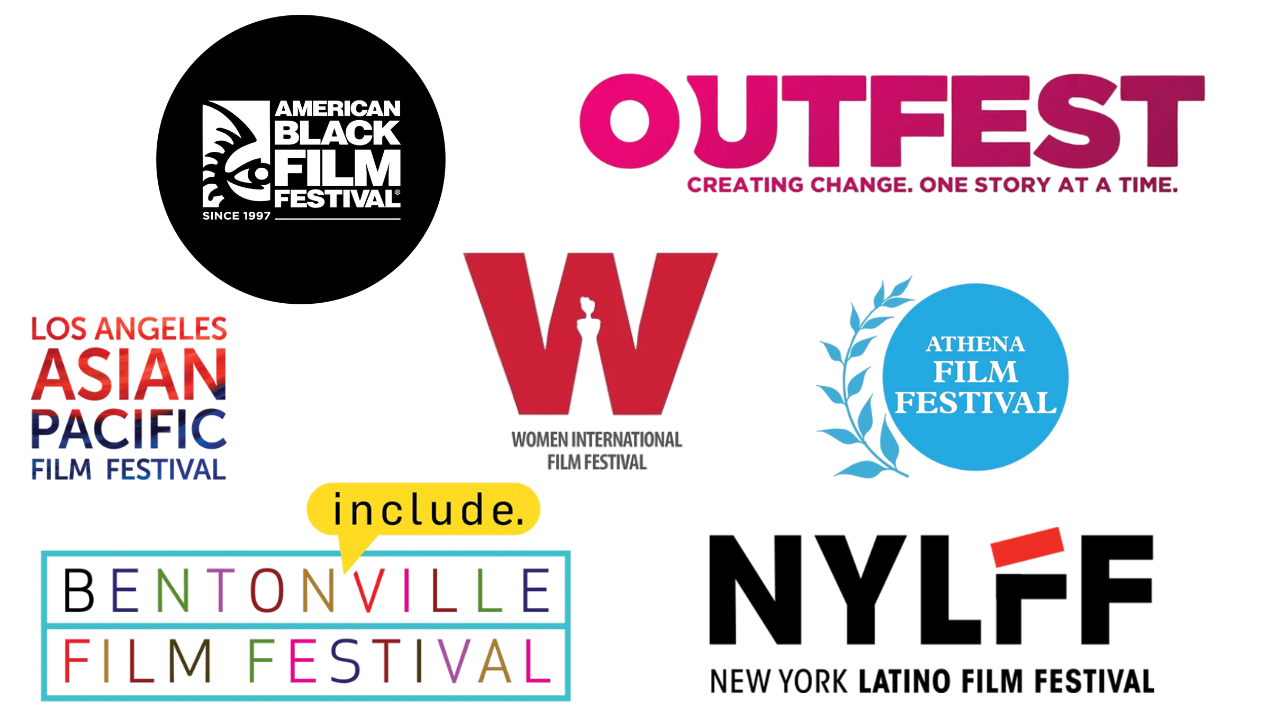
Let's talk about something important.
If you're a filmmaker from an underrepresented background, Black, Latinx, LGBTQ, female, Asian, etc., there are festivals designed specifically to spotlight your voice.
And I know what happens. You're chasing Sundance. You're chasing TIFF. You want the prestige of the big festivals, so you ignore or downplay the identity-focused ones.
Don't do that.
These festivals matter just as much, and in some cases, more than the mainstream ones.
Here's Why:
- Industry access. Buyers and reps who are specifically looking for diverse voices show up to these festivals.
- Cultural momentum. When Summer of Violence opened at the American Black Film Festival, it gave us buzz inside the Black community. That credibility is real.
- Audience connection. These festivals help you find your people, the ones who will champion your film online and in their communities.
Festivals to Know:
For Black filmmakers:
- American Black Film Festival
- Urban World
- Martha's Vineyard African American Film Festival
- Pan African Film Festival
For female filmmakers:
- Athena Film Festival
- Women's International Film Festival
For LGBTQ filmmakers:
- Outfest
For Asian filmmakers:
- LA Asian Pacific Film Festival
For Latinx filmmakers:
- New York Latino Film Festival
These festivals offer visibility, credibility, and access. And trust me there's more than just the ones I've mentioned here. Don't shun them because they're not Sundance.
Look at the whole picture. Be strategic.
3 Questions to Answer Before You Hit Submit on FilmFreeway
Before you spend thousands of dollars submitting to festivals, you need to understand a few things about your film.
Here's what to get clear on:
1. What conversation is your film sparking?
Festivals have themes. They have conversations they want to spark. Does your film fit into those conversations?
If your film is about climate change, are you submitting to festivals that care about that topic? If it's a coming-of-age story, are you looking at festivals that champion those stories?
Understand where your film belongs in the cultural conversation.
2. Who is your audience?
Not every film is for everyone. Who is YOUR film for?
Is it for horror fans? LGBTQ audiences? Black audiences? Film nerds? Mainstream moviegoers?
Once you know, you can target festivals that reach those audiences.
3. What does your cast and director signal to programmers?
Programmers are looking for a few things:
- Recognizable talent (even if it's indie-level)
- A director with a track record or a unique voice
- A premiere status (world premiere, US premiere, regional premiere)
Festivals sell tickets. They need a hook. What's yours?
Here's the bottom line:
Once you answer these questions, you can identify what tier your film realistically fits into. You can stop wasting money on festivals that were never going to accept you.
You can build a plan.
What Film Festivals Actually Do for You in 2026
So what does a festival run actually do for you in 2026?
Let's be realistic.
1. Creates Visibility
Festivals help you build buzz. They get your film in front of audiences, press, and industry people. That visibility is what you need to build momentum for your release.
2. Builds Your Audience Online
Every festival you go to is a chance to market your film on social media. Share behind-the-scenes content. Post photos from the screening. Interview your cast. Get people talking.
You should have a clear publicity plan, whether you hire a publicist or DIY it.
3. Opens Industry Doors
Festivals are where you meet the people who can change your career. Agents. Managers. Producers. Buyers. Future collaborators.
Networking at festivals is just as important as the screening itself.
4. Validates Your Creative Identity
Here's the most important thing:
Festivals validate that you're real. You're legit. You have a produced project.
Whether you're a filmmaker, a writer, or an actor, the festival journey proves you're not just dreaming, you're doing.
And that's beautiful.
Ready to Build Your Festival Strategy?
Watch the full breakdown on YouTube where I walk through everything, the festival tiers, how to evaluate your film, and the exact strategy I use with my clients.
And if you want daily insights like this, join my newsletter where I break down what's happening in the industry and how to stay ahead.
About the Author

Nicki Micheaux is an award-winning filmmaker, actor, and founder of Elevate Creative Talents. She teaches filmmakers how to package, pitch, and finance their projects strategically. Her work has been featured at major film festivals including the American Black Film Festival, and she helps creators navigate the business side of the entertainment industry.
Frequently Asked Questions
Which tier does my film realistically fit into?
Answer the three questions in this guide first: What conversation is your film sparking? Who is your audience? What does your cast and director signal to programmers?
Once you're clear on those, you can match your film to the right tier. If you don't have recognizable talent or festival lab connections, Tier 1 is a long shot. Focus on Tier 2 and Tier 3 where you have a realistic chance.
What's a world premiere and why does it matter?
A world premiere is the first time your film screens anywhere in the world. Tier 1 festivals (Sundance, TIFF, Cannes) require world premieres, they want to be first.
Once you premiere at one festival, you've used up that premiere status. So protect it.
Should I submit to identity-focused festivals if I'm from an underrepresented background?
Yes. Don't ignore these festivals because you're chasing Sundance.
Identity-focused festivals offer real industry access, cultural momentum, and audience connection. Buyers and reps looking for diverse voices show up to these festivals. They matter just as much, and sometimes more, than the mainstream circuit.
How do I know which festivals reach my audience?
Research the films that have played at each festival. Look at past lineups and winners. Do they program films like yours?
If your film is a horror film, look at genre festivals like Fantasia. If it's a Black film, look at American Black Film Festival or Urban World. Match your film to festivals that champion that conversation.
What if streamers aren't buying at festivals anymore?
That's exactly why your strategy needs to shift. Don't think of festivals as a place to sell your film. Think of them as a career pipeline, a marketing machine, a buzz builder, and a networking opportunity.
Focus on building visibility, growing your audience online, and opening industry doors. That's the real value in 2026.
Summary: Your 2026 Film Festival Strategy
Most filmmakers submit to festivals emotionally instead of strategically, wasting years and money. The festival landscape has shifted, streamer acquisitions have slowed, so festivals should now be viewed as career pipelines, marketing machines, and networking opportunities rather than just sales venues.
The 3 festival tiers are:
- Tier 1 (Career Changers): Sundance, SXSW, Tribeca, TIFF, Cannes, Venice, require world premieres and connections
- Tier 2 (Industry Launchpads): Austin, Telluride, Palm Springs, Slamdance, Bentonville, Tallgrass—strong networking and buzz
- Tier 3 (Voice Definers): Genre and identity-focused festivals like Fantasia, American Black Film Festival, Outfest—direct audience connection
Identity-focused festivals matter just as much as mainstream festivals, offering industry access, cultural momentum, and audience connection for underrepresented filmmakers.
Before submitting, answer three questions: What conversation is your film sparking? Who is your audience? What does your cast and director signal to programmers?
In 2026, festivals create visibility, build your audience online, open industry doors, and validate your creative identity. Success requires strategic alignment between your film and the right festivals.