The Real Path Into Sundance: 4 Proven Pipelines (Not Luck)
Jan 19, 2026
Sundance 2026 lineup is here, and I spent the last week analyzing every single film in the US Dramatic Competition. And here's what I wanted to know…is there a pattern to who gets in?
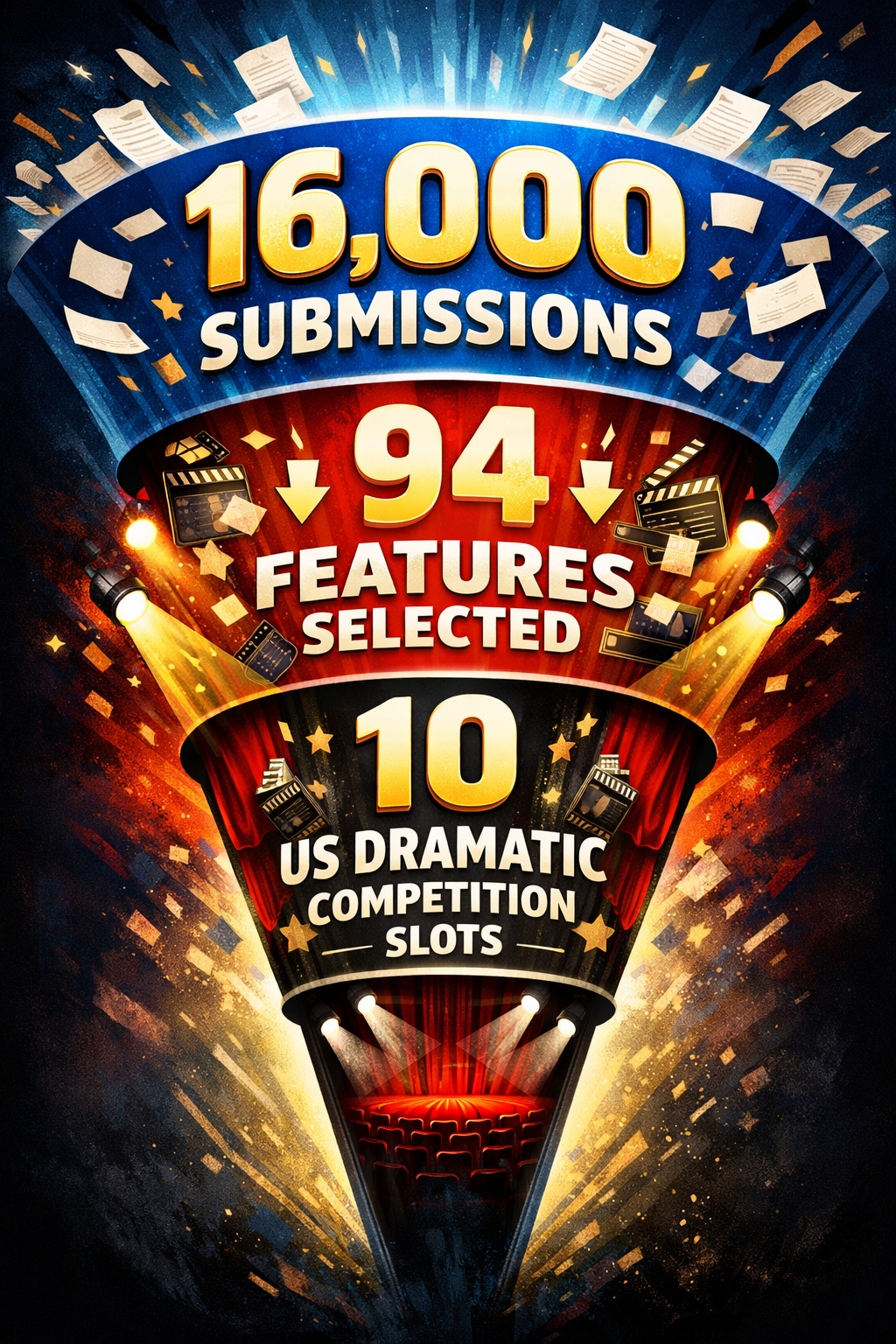
Out of 16,000 submissions, only 94 features were selected. And out of that, only 10 made it into the US Dramatic Competition. Winning Sundance is a career changer, but maybe you're wondering: How do I get my film into Sundance?
This blog breaks down the exact pathways that these 10 filmmakers took to land in competition. Let's get into it.
Pathway #1: The Short-to-Feature Pipeline
Three filmmakers in this year's competition followed this exact route.
Liz Sargent won Sundance in 2023 with her short film Take Me Home. Just three years later, she's back with the feature version—same title, same intimate story about a Korean adoptee with cognitive disability caring for her aging parents. Sundance loved the short, and now they're championing the feature.
N.B. Major took a similar path with Run Amuck, which also started as a short. But here's what's interesting: she had already built credibility with Sundance through a web series that premiered in their NEXT section. So by the time she brought her feature, they already knew her work.
Adam Meeks took the international route. His short Union County premiered at the Berlin International Film Festival, and then he went through a Sundance Lab program. Now his feature about the opioid epidemic in rural Ohio is in competition, starring Will Poulter.
The takeaway? Win with a short. Prove you can tell the story in 15 minutes, then scale it up.
Pathway #2: Sundance Labs
Speaking of Adam Meeks, let's talk about Sundance Labs. These are the institute's year-round mentorship programs where they take filmmakers through development, giving them access to advisors, resources, and—most importantly—they help you with your story. The way Sundance crafts character-driven storytelling is really something you get out of those labs.
Meeks went through multiple labs before his feature got selected, and he's not alone. Two other directors in this year's competition are Sundance alums who came through the institute's programs: Hussein Chabarek and Mariam Khayyer, co-directors of The Friend's House, a film about the underground art scene in Tehran.
Here's the truth: Sundance invests in filmmakers, not just films. If you get into their ecosystem through a lab, a short, or a fellowship, they're watching your next move. They might even be championing you.
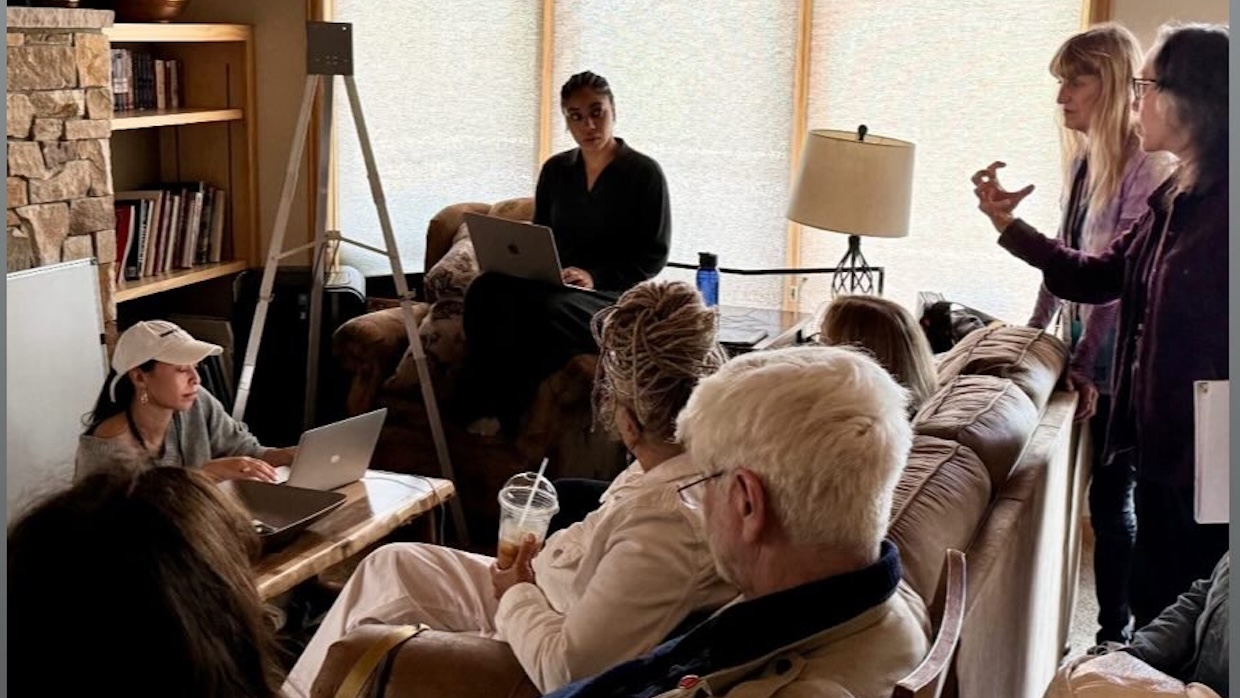
Filmmaker Magazine, Sundance Directors Lab 2025 Diary: Kasey Elise Walker, June 24, 2025. Link
Pathway #3: Coming Back for Round Two (or Three)
Sundance alumni Rachel Lambert premiered Sometimes I Think About Dying at Sundance 2023 in the US Dramatic Competition. Now she's back with Carousel, starring Chris Pine and Jenny Slate—an intimate character-driven story about a divorced doctor confronting his choices.
Once you're in the Sundance family, they want to see what you do next. This year, that loyalty goes both ways. Sundance is bringing back directors they've supported before, giving them a platform for more ambitious work.
Pathway #4: Breaking In as a First-Timer
Here's the big one: 60% of this year's US Dramatic Competition is first-time feature filmmakers. That door is open.
Stephanie Ahn, Korean-American filmmaker telling an immigrant story about confronting childhood trauma.
Giselle Bonilla, dark comedy starring Rob Lowe about a middle school theater teacher getting revenge. (That one honestly sounds fun to me.)
Rامsey Bashore, a Syrian-American filmmaker based in New York. His debut is a sweeping American West travel tale about a Lebanese mom and her son hitting the road after he gets kicked out of school.
What do these three have in common? On the surface, nothing. But they're telling stories only they can tell—specific, personal, but universal. Sundance isn't just looking for good films. They're looking for distinct voices.
The Themes Emerging
Some patterns are showing up across this year's competition:
Immigration and diaspora stories – Three films deal with immigrant experiences or displacement (Bashore, Chabarek/Khayyer, Ahn).
Childhood and trauma – Multiple films are told through the eyes of children or explore how we carry childhood trauma into adulthood (Josephine, Run Amuck, Take Me Home).
Social issues – The opioid crisis (Union County), artistic freedom under oppression (The Friend's House), grief and healing told through dance, second chances, and family.
Sundance wants stories that feel urgent and necessary right now. Not just well-made films, but films that say something. Films that reflect our times.
What About Stars?
Yes, half of these films have major stars—Chris Pine, Channing Tatum, Rob Lowe, Will Poulter. But the other half don't. They have ensemble casts, international actors, or Sundance regulars.
Celebrity helps, but it's not required. What matters more is that the film feels authentic to the story you're telling and the path you've chosen to get there.
The Four Pathways: A Recap
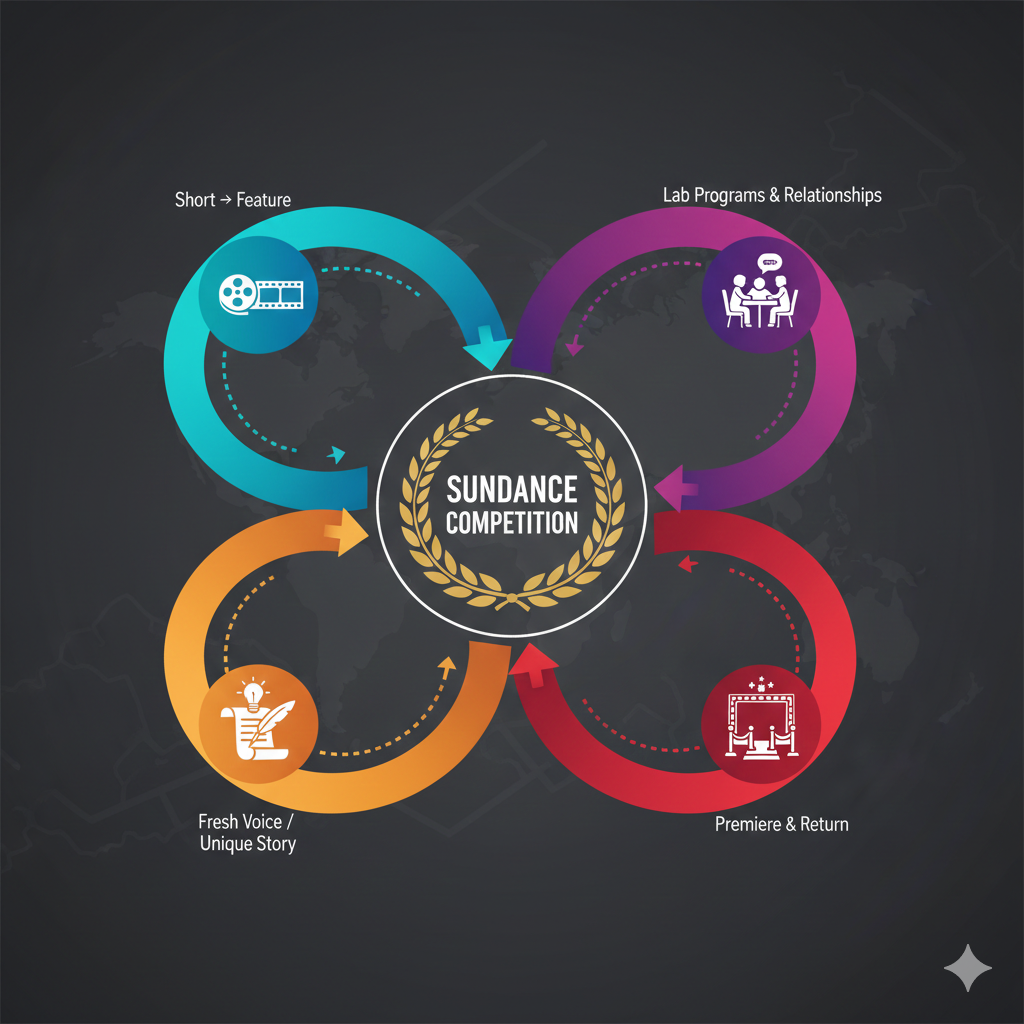
- Win with a short and come back with a feature
- Get into Sundance Lab programs and build relationships
- Premiere once, prove yourself, come back again
- Break in with a fresh voice and a story only you can tell
Sixty percent of the US Dramatic Competition is first-time feature directors. That means the door is open, but you need a specific, personal story. You need craft. And ideally, you need to build a relationship with the festival through shorts, labs, or previous work.
Sundance isn't a lottery. It's a pipeline.
And look, as someone who's been working in Hollywood for decades—both in front of and behind the camera—I can tell you that understanding how these systems work is everything. This is the kind of insider knowledge that can change the game for you.
FAQs
Q: How many films get into Sundance each year?
A: Out of approximately 16,000 feature film submissions, only 94 features are selected for the entire festival. The US Dramatic Competition is even more exclusive, with only 10 slots.
Q: Do I need a celebrity to get into Sundance?
A: No. While about half of this year's competition films have recognizable stars, the other half feature ensemble casts, international actors, or new faces. Authenticity to your story matters more than star power.
Q: What's the best way to get noticed by Sundance?
A: Build a relationship with the festival through their shorts programs, labs, or fellowships. Sundance invests in filmmakers over time, not just individual films. Three directors in this year's competition came through the short-to-feature pipeline.
Q: What percentage of Sundance competition films are from first-time directors?
A: 60% of the 2026 US Dramatic Competition filmmakers are first-time feature directors. The door is open for new voices with distinct, personal stories.
Q: What kind of stories is Sundance looking for?
A: Stories that feel urgent, necessary, and reflect our times. This year's themes include immigration, childhood trauma, social issues, and personal identity. Sundance wants specific, personal stories with universal resonance.
Q: How long does it take from short film to feature at Sundance?
A: It varies. Liz Sargent's journey took three years from winning with her short Take Me Home to returning with the feature version. The key is using the short to prove you can tell the story, then scaling up.
Q: What are Sundance Labs?
A: Year-round mentorship programs run by the Sundance Institute. They provide development support, access to advisors, and resources to help filmmakers craft character-driven stories. Multiple competition filmmakers came through these programs.
So here's my question for you: Which pathway fits where you are right now?
Drop a comment and let me know. And if this was helpful, make sure you're subscribed so you can stay a Hollywood Insider.
I'm Nicki Micheaux, and I'll see you in the next one.
Summary
Sundance 2026 US Dramatic Competition analysis reveals four proven pathways into the festival: short-to-feature pipeline, Sundance Labs participation, returning filmmaker status, and debut voices with personal stories. Out of 16,000 submissions, only 10 films made competition—60% from first-time feature directors. Key themes include immigration, childhood trauma, and social issues. Celebrity casting helps but isn't required. Sundance invests in filmmakers, not just films, building relationships through shorts, labs, and fellowships before championing features.